HEALTHY SCALP STRONG HAIR
HEALTHY SCALP STRONG HAIR


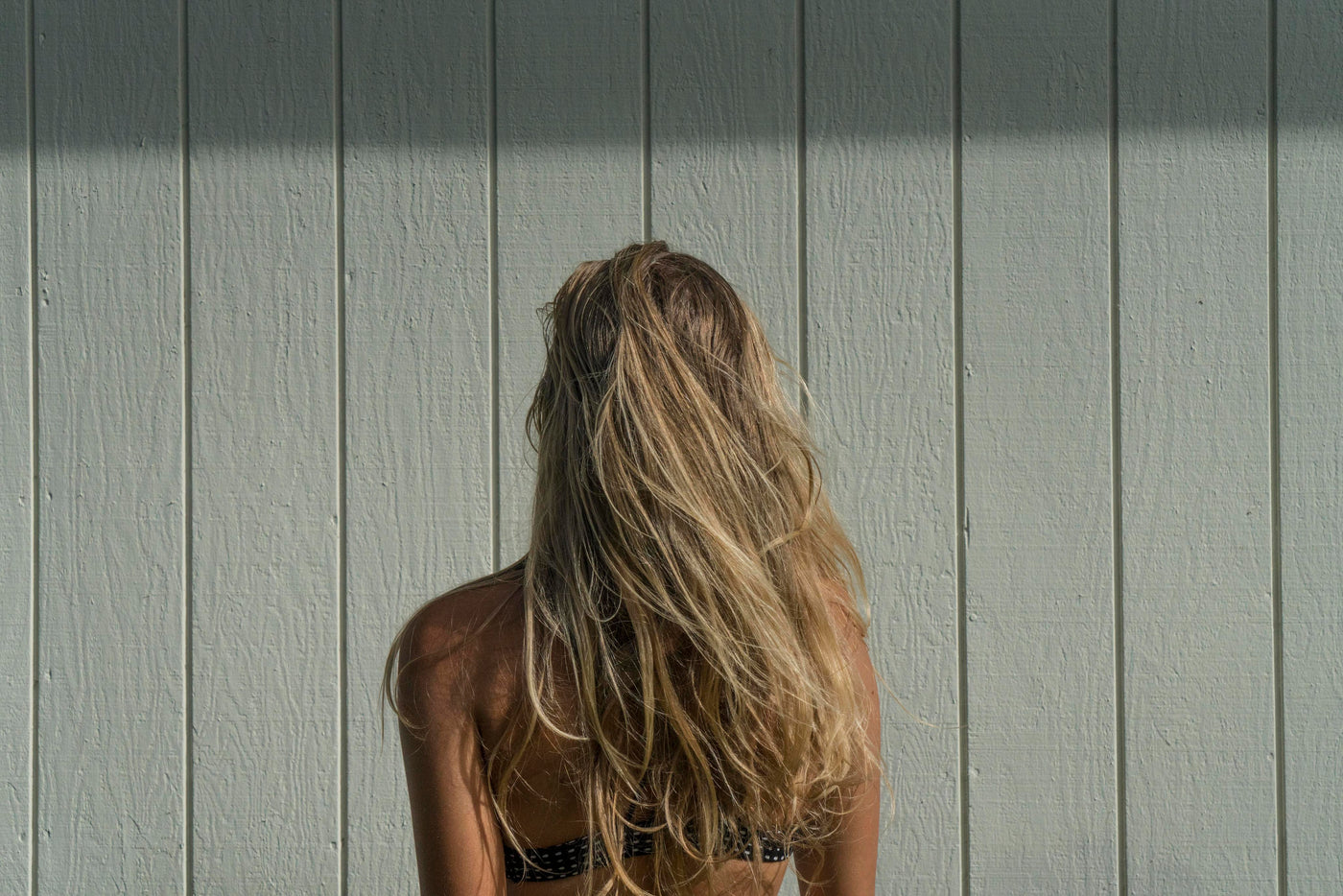
There are dozens of different reasons known for premature hair loss and weakened hair growth. They can be genetic, hormonal, or caused by stress, menopause, and illnesses. About 85% of men and 60% of women suffer from premature hair loss. With the right treatments, hair loss can be stopped and growth reactivated.
Skin Clinic Kuulas offers you solutions to overcome hair problems. The unique products of Mark Birch combined with scalp needling using the new generation Dermapen 4 device are the core of our service.
Here's how to proceed:
1. Contact us through the chat at the bottom right or you can also reach us through the new unique Iholinja video consultation.
2. Choose the right Mark Birch products for you to start home care
3. Book an appointment for scalp needling, during which we will assess your situation and plan for the best possible results
4. Monitor results and update the plan as needed.
Hair loss can be stopped and growth reactivated by first identifying the causes
- Hormonal / Metabolic
- Chemical
- Physical
Heredity (Hormonal / Metabolic)
Male and female pattern hair loss are hereditary forms of hair loss caused by male hormones, affecting up to 50% of men and 30% of women. About 20% of men begin the process at the age of 20 or even earlier. By the age of 30, 30% of men already suffer from this condition, etc. In women, the process often begins around the age of 30. The speed of baldness and hair loss progression varies from person to person. Often the process lasts for years or even decades. The younger the age at which hair loss begins, the faster it usually is. The majority of Finns aged 40-65 suffer from hair loss to some extent.
The cause of hereditary hair loss is the male hormone DHT, or dihydrotestosterone (5-alpha-dihydrotestosterone). It is produced from testosterone and the 5-alpha-reductase enzyme in the testicles and prostate, as well as in the hair follicle. Both men and women can lose hair due to changes caused by this hormone in the body. DHT shrinks hair follicles, atrophies the hair, and shortens the hair growth phase. If the DHT level is high during the hair's resting phase, it may completely prevent the formation of new hair.
Aging (Hormonal / Metabolic)
With age, the number of hairs decreases steadily, as the hair growth phase shortens and the resting phase lengthens. Hair becomes thinner and finer, and does not grow as long as it did in youth. Especially in women, hair thinning may affect volume even more than the reduction in the number of hairs.
Aging also affects hair color, texture, growth, and density. An aged hair follicle produces less melanin, resulting in gray hair. Graying of hair can sometimes begin before the age of thirty, usually starting at the temples and crown. The speed of graying depends partly on genetic factors. By the age of 40, 40% of people have some gray hair. People of European descent gray earlier than Asians. Hair also thins as a person ages, partly due to the decrease in the pigment melanin.
Menopause and Hormones (Hormonal / Metabolic)
During menopause, a woman's body's production of estrogen decreases and eventually stops completely. The amount of estrogen has a clear connection to the good condition of hair and scalp, as well as the skin. As the amount of estrogen that maintains the good condition of the skin and hair decreases, the relative proportion of male hormones that promote hair loss increases and may contribute to accelerating hair loss. Due to menopause, the skin and scalp dry out, thin, and lose elasticity. With changes occurring in the skin, the hair follicle becomes lazy and the blood circulation in the scalp slows down.
Pregnancy and Breastfeeding (Hormonal / Metabolic, Physical)
During pregnancy, blood estrogen levels are very high. As a result, many expectant mothers' hair is in good condition and grows more vigorously than usual. 1–3 months after childbirth, estrogen levels decrease to almost menopause levels, and hair begins to shed more than normal. Changes in hair condition after childbirth are therefore very common. The length of breastfeeding, the diversity of diet, and individual stress factors affecting the body influence when estrogen levels return to normal. After childbirth, hormonal balance returns to normal.
A healthy and varied diet, as well as supplements, help the body recover from the changes brought by pregnancy and breastfeeding and also promote hair growth. Hair growth can also be enhanced with products that prolong their growth phase.
Stress, hurry, and insomnia (Hormonal / Metabolic, Physical)
Stress and lack of sleep strain the body, raise stress hormone levels, and weaken the blood circulation in the scalp. As a result, the oxygen and nutrient supply to the hair follicles and roots deteriorates, and the hair does not receive the building materials needed for development.
Dieting, unbalanced diet, and nutrient absorption disorders (Chemical)
For the hair follicle to function actively, it must receive enough amino acids, vitamins, iron, and minerals daily. Dieting, an unbalanced diet, absorption disorders, and soil depletion can affect the availability of nutrients and protective nutrients in the scalp. Hair is about 80% protein, which emphasizes the importance of protein in the diet. If necessary, the diet should be supplemented with nutritional supplements and vitamin preparations.
Illnesses and treatments, surgeries, and traumas
Severe systemic diseases, autoimmune diseases, infections, high fever, as well as traumas and surgeries can trigger hair loss, as well as scalp skin diseases such as psoriasis, atopy, fungal dandruff, and fungal infections. Strong treatments such as chemotherapy and radiation therapy, and for example, X-ray examinations also affect hair loss.
Often the hair grows back when the disease is treated, but they may be thinner and lighter in color.
Medications (Chemical)
Some medications can cause hair loss as a side effect. Cytotoxic drugs used in cancer treatment, antidepressants, painkillers, contraceptive pills, blood thinners, and blood pressure medications can cause hair loss and thinning. Certain medications, such as cortisone, have a drying and thinning effect on the scalp and thus indirectly weaken the well-being of the scalp and hair growth.
Environmental factors, tobacco, and alcohol (Chemical)
Air pollution, active and passive smoking, excessive alcohol consumption, and processed food containing additives weaken the nourishment of hair and may promote hair loss.
The load of styling products on the scalp and repeated strong hair treatments (Chemical)
Residues of styling products, impurities, sweat, sebum, and dead skin cells are a greater burden on the hair and scalp than washing, as they can hinder hair growth. Disturbances are removed with careful and gentle daily washing. If the scalp is dry, sensitive, itchy, or burning, special attention should be paid to its care and the selection of products.
Hair treatments such as coloring strain the hair and scalp. For this reason, treatment intervals should be extended to 6-8 weeks and always done by a hairdresser. At home, hair should be washed gently daily, brushed gently with a brush with rounded bristles, and allowed to dry naturally or dried and styled gently at low temperatures.
THE MOST COMMON SCALP DISEASES AND IMBALANCES
Only healthy and nourished scalp grows healthy hair, so scalp diseases and imbalances weaken active hair growth. Additionally, scratching an itchy scalp may damage hair roots and increase hair loss. It is crucial to heal an irritated scalp and achieve balance.
Dandruff
Dandruff is one of the most common scalp problems, affecting up to 65 percent of people at some point in their lives. For most, the problem is recurring. The cause of dandruff is usually the overgrowth of the Malassezia yeast fungus in the scalp, which irritates the skin so that Irritated skin begins to produce new skin cells at a too rapid pace. There can be many reasons behind flaking, but common to all types of dandruff is the disturbing dandruff falling from the scalp and itching. When dandruff symptoms include light and visible dandruff, dry scalp, and possible itching, it is a case of dry dandruff. If the flaky scalp becomes oily easily and the dandruff flakes accumulate into yellowish clumps, it is oily dandruff.
Sensitivity, itching, and dryness
Scalp itching, tingling, tightness, heat, and tenderness are common problems. According to a French study, 41 percent of men and 47 percent of women feel they have a sensitive scalp. Sensitization can be triggered by many factors, such as fragranced and colored hair care products and the chemicals contained in the products: such as silicones and pearls. Also, too infrequent washing intervals, insufficient rinsing after washing, weather changes, dry indoor air, stress, and chemical treatments may cause irritation.
Oily scalp
An oily scalp is a common ailment. About a third of Finns secrete too much sebum. Bacteria and yeasts transform the sebum into a more fluid form, and the hair becomes oily quickly. Oiliness makes the hair look sticky and flat. Despite regular washing, the hair also starts to smell. An oily scalp requires more frequent hair washing and a shampoo that effectively removes the sebum. In this case, a common mistake is to extend the washing intervals. Contrary to belief, more frequent washing does not increase oiliness, but with the right shampoo, sebum secretion can be reduced.
Psoriasis
Psoriasis causes intense flaking and scaling on the scalp. The skin flakes, and there are red patches under the dandruff. Usually, the skin shows symptoms elsewhere besides the scalp. Psoriasis is a common problem, estimated to affect about 3% of the population. Scalp psoriasis can appear in mild form as small patches, but it may also manifest as large red and flaky areas, which may also involve hair loss. The cause of psoriasis is not known for sure. It is suspected to be an autoimmune reaction.
Atopic dermatitis or eczema
Eczema is an inflammatory skin disease that usually appears in infancy, calms down during childhood, but can worsen again in adulthood. In adolescents and adults, it most often manifests in the head area and upper body. Most skin changes are thickening of the skin's surface layer caused by scratching, scabs, and small wounds. Often there is a chronic infection caused by staphylococci and other pus bacteria.
Seborrheic Dermatitis
Seborrheic dermatitis, or seborrheic eczema, is a common problem occurring in 15-20% of the population. One in three Finns has oily skin, more often in men than in women. Certain bacteria and yeast that are part of the skin's normal flora break down sebum. The sebum becomes rancid, and the rancid sebum irritates the skin. The irritation feels like itching and burning, the skin begins to redden and flake. Skin suffering from seborrheic dermatitis can be both oily and dry at the same time.
Treatment of scalp problems
A common mistake is to extend the intervals between hair washes when scalp problems occur. The scalp is a large skin area and secretes about a teaspoon of oil and sweat in a day. Therefore, toxins, oils, dead skin cells, dirt, and residues of styling products accumulate very quickly on an unwashed scalp.
When there are problems, imbalances, or diseases in the scalp, treatment always starts by shortening the washing intervals. The scalp is preferably washed daily as long as the shampoo is appropriate.
In severe scalp problems Use Triple Action Scalp Therapy Shampoo. Thanks to its active ingredients, the shampoo relieves skin irritations, soothes a flaky scalp, and helps reduce the formation of dandruff. It also deep cleanses and opens hair roots. Suitable especially for individuals suffering from hair loss.
For milder scalp problems (dandruff, itching, irritation, dryness, sensitivity), use R&B Antioxidant Shampoo. It also soothes and prevents itching and irritation.


